Music, like any other artform, is generally a collaborative effort.
Although we tend to think of child prodigies, virtuosos and musical geniuses as anomalies, in fact they tend to study, improvise, practice, and collaborate with other great musicians and artists as they grow into their own. In earlier centuries, whole families tended to be steeped in musical activities throughout their day, providing an ideal background for someone so inclined to the art.
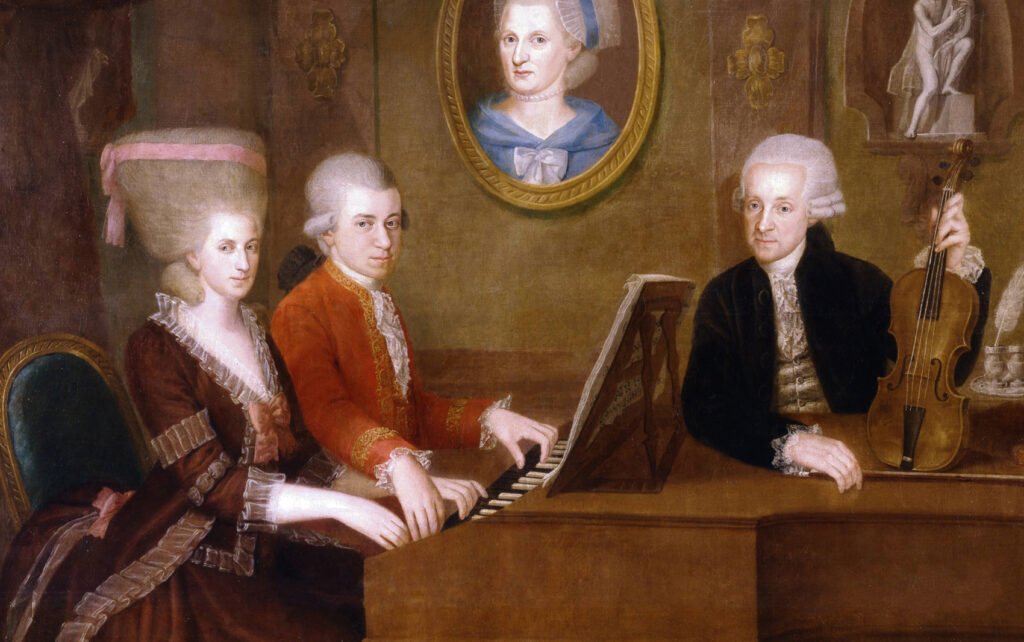
Take the Mozart family. Leopold, a professional musician, taught both of his children from an early age, and Wolfgang had the added benefit of observing his older sister’s lessons while still a toddler. Both children became child prodigies who toured and performed throughout Europe.
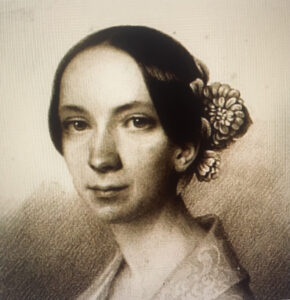
Friedrich Wieck, the father of the composer and concert pianist Clara Wieck Schumann (wife of Robert Schumann) created a rigorous daily agenda for her as a child that involved lessons in music theory, harmony, counterpoint, composition, orchestration, piano practice, French, English, journaling, and daily brisk walks. Schumann moved into the family home to study with Wiek when Clara was an adolescent, living with the family for more than five years.
Clara went on to become one of the most celebrated concert pianists of the nineteenth century. She also composed, taught piano at the Frankfurt Conservatory, and championed her husband’s collected works, editing many of them and ensuring their publication. Additionally, she championed the work of Johannes Brahms (one of her closest friends) and the two would share their compositions with each other before anyone else, seeking each other’s feedback before publishing.
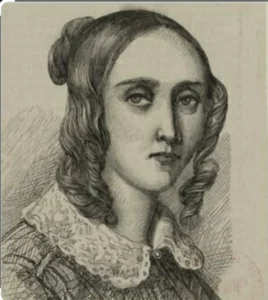
There are many such examples of lifestyles steeped in musical collaboration. Felix and Fanny Mendelssohn grew up in a musical household. Their mother, also a talented musician, was their first piano teacher. Their great-aunt, Sara Levy, studied with William Friedermann Bach (J.S. Bach’s eldest son). The Mendelssohn siblings, like Nannerl and Mozart, played and collaborated together throughout their childhood, sharing their compositions with each other and performing together in the family’s weekly musical salon concerts. Yet once again, while Felix was encouraged in his career as composer and performer, Fanny was never allowed to pursue such a lifestyle. Yet she composed over four-hundred-sixty pieces, and initially published a few under her brother’s name.
The names we know today: Mozart, Bach, Schumann, Mendelssohn, are always and only those of the men who we tend to think of as being singular. They were, in fact, surrounded by musical families and often influenced by their parents and siblings, but were supported and advanced in their careers not only due to their talents, but because of their sex. It is only in very recent decades that the music of their lesser known but exceptionally talented sisters, wives, and other female family members are being re-discovered and acknowledged as remarkable in their own right.
You can learn more about Maria Anna Mozart and the Mozart family by watching the exceptional documentary “Mozart’s Sister”.