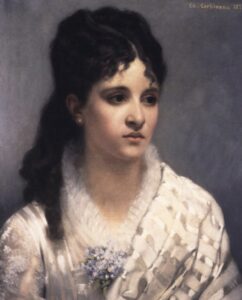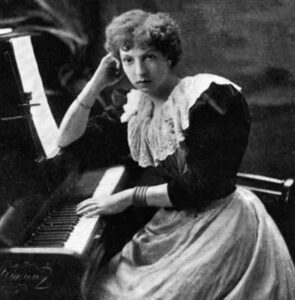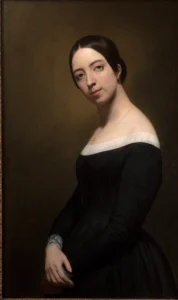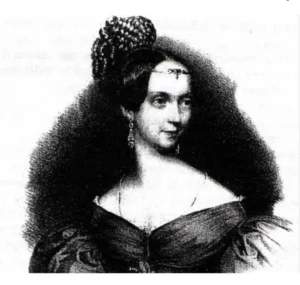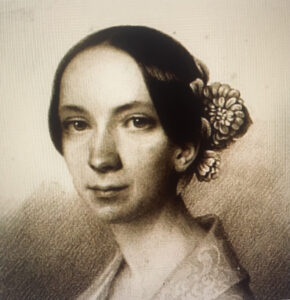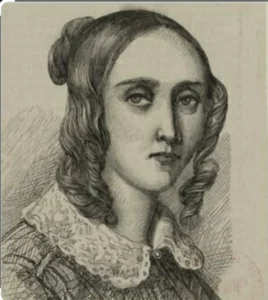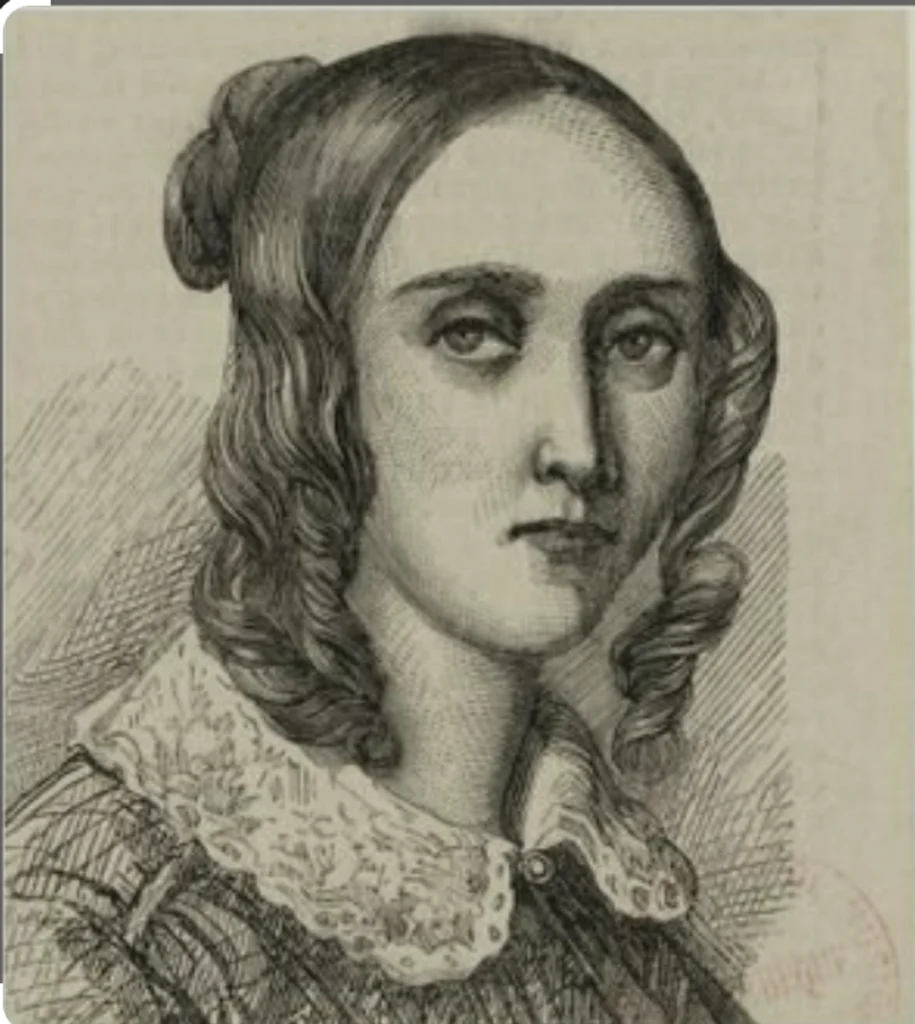
Born the same year that Napoleon was crowned emperor of France, Jeanne-Louise Dumont joined a family of renowned artists and sculptors and was trained alongside her siblings in the fine arts from an early age. She excelled at painting and sculpting but showed so much musical talent that she studied composition (an opportunity rarely available to women) with the composer Antoine Reicha, who had been a friend of Beethoven and also taught Franz Liszt and Hector Berlioz.
Louise married the musician and publicist Aristide Farrenc, who insisted that she continue to compose after their marriage, and it is largely due to his publication of her work that it is accessible today.
Her accomplishments are extraordinary. In 1842 she would become the first full-time woman professor of music at The Paris Conservatory and fought for eight years for equal pay, which she eventually won. Her book of piano Etudes became a staple for students at the Paris Conservatory and her chamber music pieces were celebrated as masterpieces by the likes of Robert Schumann and other renowned male contemporaries.
In 1849 her third symphony premiered alongside Beethoven’s Fifth, performed by the Conservatoire orchestra in Paris. In the 1860’s, she was awarded the highest honor a musician can receive, the Prix Chartier, twice for her compositions.
After the untimely death of her beloved daughter, Victorine, who had herself become a celebrated concert pianist, Louise ceased composition and dedicated herself to editing and publishing a treasury of piano music known as the Tresor des Pianists, an anthology of all the masterpieces for harpsicord and pianoforte, which was the first of its kind and consisted of twenty-three volumes, fifteen of which she edited and published on her own following her husband’s death.
In her obituary in the Revue et Gazette, it was written that Louise Farrenc had been “Assuredly the most remarkable of all women who have undertaken musical composition,” and that “…she will live on in the history of music.” Yet she has since fallen into relative oblivion and it is rare to find mention of her in any collection of the great European classical and romantic composers recognized today. As you will hear in the recordings linked below, it is far past time to honor her amazing contributions to music history.