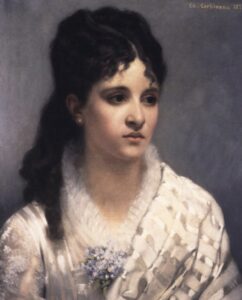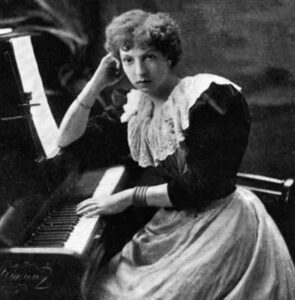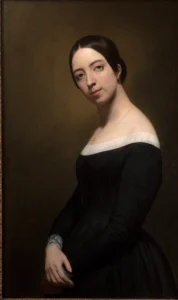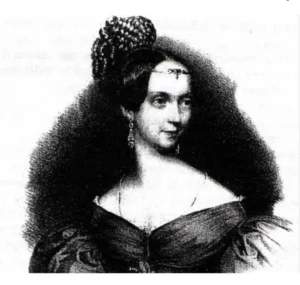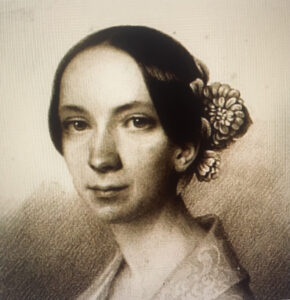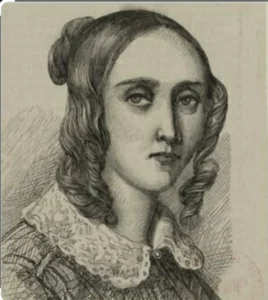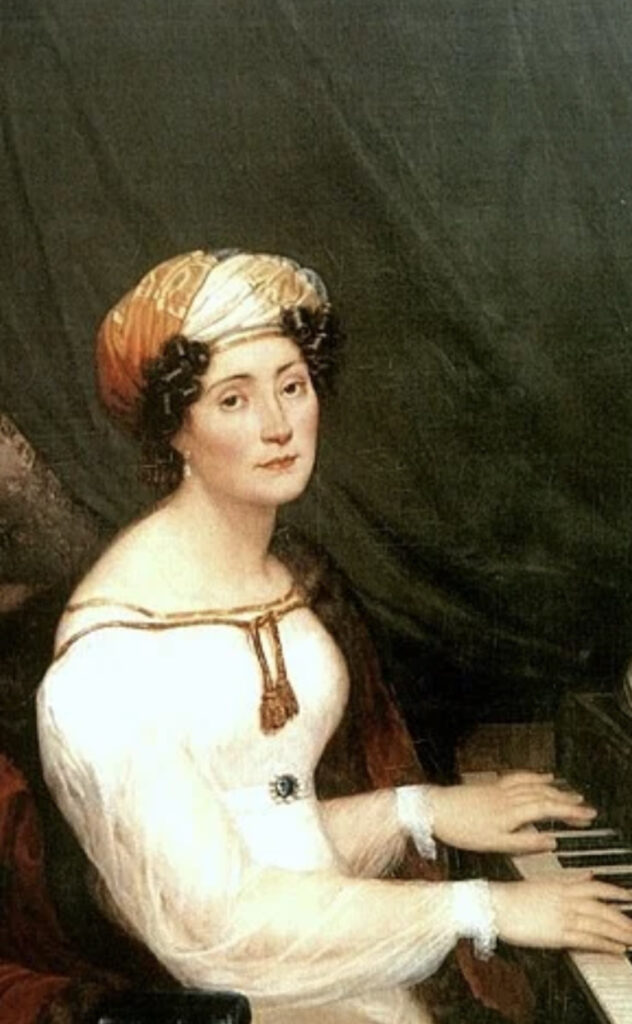
Maria Szymanowska (nee Wolowaska) was born into a family who encouraged and nurtured her musical gifts by hosting one of the most popular and respected musical salons in Warsaw during the first quarter of the nineteenth century. There, every musician of note who travelled through Warsaw made an appearance, and Maria was surrounded by artists and intellectuals.
Syzmanowska gave her concert debut at the age of twenty-one before departing for Paris. There, she began to befriend other leading musicians and continued to give concerts until marrying a landowner, Jozef Szymanowski, who had no relationship to the musical world.
Over the next several years, Maria had three children but rarely performed. Instead, she began to compose, with her first collection Twenty Exercises and Preludes being published in 1820. Discovering that her husband was unsupportive of her musical aspirations, the marriage was dissolved in 1820.
Courageously innovative, it was not long before Maria had organized extensive tours throughout Europe. While her parents saw to her children, her siblings accompanied her abroad, and by 1822 she was appointed “first pianist to the royal court’ in St. Petersburg by the tsarina, Maria Feodorovna, who gave her a salaried position.
By 1823, she was a favorite of Goethe’s, and had befriended the likes of Rossini, Hummel, and the Irish composer John Field. That year she also traveled to London, where she performed for an audience of 1,200 people at the National Gallery. According to a letter written by him, Chopin had been in attendance at the concert.
Szyanowska was the first known concert pianist to perform without written music, often memorizing the pieces she played. It would be decades later that Clara Schumann and Liszt would do the same, (both usually the ones credited with the innovation). It was said that she created “a flurry of excitement” in the audience when she did this, because it was so rare.
She composed and published numerous works in styles such as ballades, mazurkas, polonaises, nocturnes, and waltzes; all forms that Chopin would popularize only a few decades later. It is almost certain that her stylistic innovations and cultivation for community with other musicians and artists was an influence on Chopin’s musical career.
She established her own musical salon in St. Petersburg, and continued to thrive in her career until her sudden death during the cholera epidemic of 1831. Still, her determination to have a career as a woman, as well as her achievements in performance and composition, are nearly unparalleled at that time.