“I should like to be judged on merit alone.”
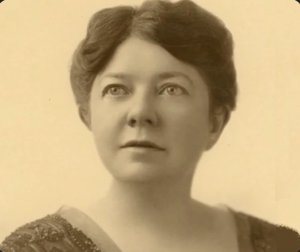
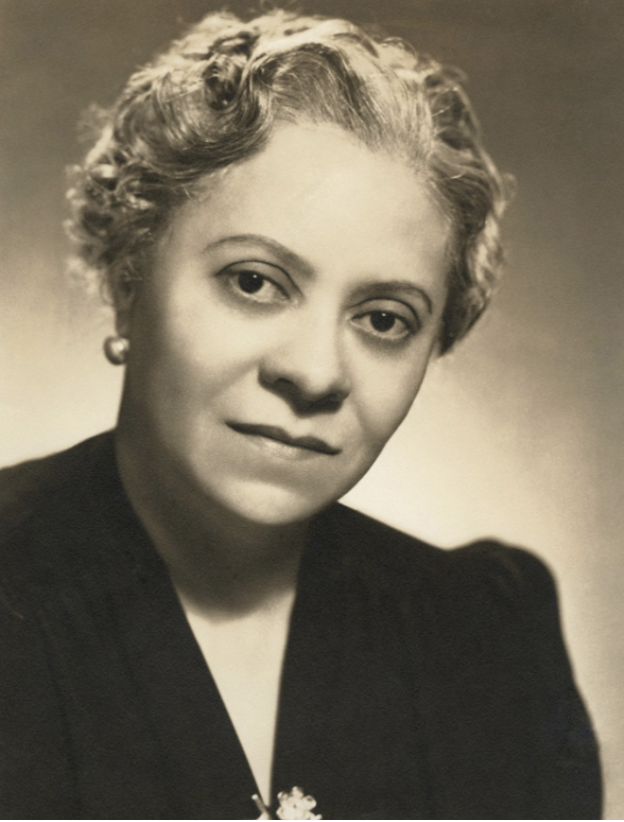
Born in April of 1887 in Little Rock Arkansas, Florence Beatrice Smith was a true child prodigy. Her father, a dentist and painter, and her mother, a pianist, teacher, and entrepreneur, encouraged and supported Florence’s education and creative aspirations. She gave her first concert at the age of four and published her first composition at the age of eleven.
Her early life continued with impressive accomplishments. Florence graduated from high school at fourteen, valedictorian of her class. At sixteen, she departed for Boston to study at The New England Conservatory of Music and completed two diplomas within three years (piano education and organ performance), after which she returned to Little Rock to live with her parents and teach at Shorter College.
In 1910, at the age of 23, Florence’s father died, and both her mother and brother moved away. Both of mixed race, they tended to be able to pass as white and presumably disappeared into white society, for Florence never saw nor heard from either of them again.
Now on her own, she accepted a position as head of the music department at Clark University in Atlanta, Georgia. However, within a few years, Florence married the lawyer, Mr. Thomas Price, and returned to live with him in Little Rock, Arkansas, where they welcomed three children, a son and two daughters.
Little Rock had a long history of racial tension that culminated in violence on multiple occasions. After a public lynching of an African American man in 1927, violence once again erupted, and many people feared for their lives. Those in the African American community who could afford to fled north. The Price family left and settled in Chicago, where Florence and her husband continued to establish their careers and engaged with a culturally rich and diverse community.
This was a productive time for Florence, who taught piano and violin lessons from her home studio while actively composing music for the piano, organ, and violin, including instructional materials for students learning piano. Many of her pieces incorporated themes from African American folk and gospel music, and her work became both popular and esteemed.
However, in 1929, when the stock market crashed, Thomas lost his ability to earn an income and his frustrations manifested in physical domestic abuse. Florence left with her three children and filed for divorce. Before long, she moved in with Estella Bonds, an important figure in the Chicago artistic community, and her daughter, Margaret, who was one of Florence’s students. A longstanding friendship and collaboration between Florence and Margaret developed, and in 1932, both would win a prize from the Wanamaker Foundation of Chicago for their compositions.
Florence’s Symphony in E Minor premiered at the Chicago World Fair in 1933 under the direction of Frederick Stock, the first performance of a symphony by an African American woman by a major American orchestra. Yet despite her professional success, and the recognition she received during her lifetime, much of Florence’s music remained unpublished due to mainstream racism and sexism trends, and many of her compositions were lost after she passed away at the age of sixty-six from a stroke.
Then in 2009 something extraordinary happened. A couple who purchased an abandoned and dilapidated home north of Chicago discovered a large collection of hand printed scores of musical compositions, all signed with the name Florence Price. Realizing that they had stumbled upon something important, they looked up the name, and then contacted the University of Arkansas, who sent archivists to collect the works, many of which had been previously unpublished. Her previously undiscovered works include chamber and orchestral pieces, including violin concertos and string quartets.
With this discovery, a renewed interest in the music of Florence Price erupted, and her work is once again being programmed and performed, gaining her recognition as a unique and original American composer of note.